Find colorless acetone for solvents, synthesis, and cleaning
Source 30 verified listings for colorless acetone suitable for organic solvents, synthesis raw materials, and cleaning applications. Buyers can compare specifications like purity, packaging, and delivery times from suppliers in China.
Key considerations
Products List


Comprehensive Sourcing Guide
Strategic Sourcing Guide for Colorless Acetone Procurement
Navigating the global market for colorless acetone requires a disciplined approach that balances technical precision with supply chain reliability. For procurement professionals, the term "colorless acetone" often serves as a shorthand for high-purity organic solvents and intermediates used across pharmaceutical, industrial, and chemical synthesis sectors. However, the actual product landscape is complex, with variations in purity, packaging, and regulatory compliance that can significantly impact operational efficiency. This guide synthesizes available market data and technical attributes to provide a framework for evaluating potential suppliers and securing consistent quality without relying on unverified claims or speculative pricing models.
Technical Specifications and Physical Attributes
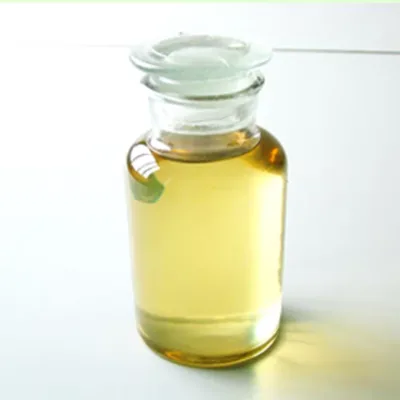
When sourcing colorless acetone, the primary focus must be on verifying the physical and chemical properties that define the product's utility. The supplied data indicates that the target material is frequently characterized as a liquid with a colorless appearance, a critical visual indicator for buyers inspecting incoming shipments. The molecular weight is a fundamental identifier, with specific records noting a value of 100.12 for related ketone structures, though buyers must confirm if this applies to the specific acetone variant or a derivative like 2,4-pentanedione (acetylacetone) which shares similar industrial applications.
Density and boiling point are essential for process engineering and storage calculations. Observed specifications list a density of 0.975 g/ml at 25°C and a boiling point of 140.4°C. These figures are vital for determining storage tank requirements and vapor recovery systems. Additionally, the flash point is a critical safety parameter, with documented values around 66°F, necessitating strict adherence to fire safety protocols during transport and handling. The pH level is noted as 6, suggesting a near-neutral character, which is advantageous for applications requiring minimal corrosion or reaction interference.
The refractive index, recorded at N20/D 1.452, serves as a precise quality control metric. Buyers should request batch-specific refractive index data to ensure the product matches the standard specification. Furthermore, the melting point is observed at -23°C, indicating the product remains liquid under standard ambient conditions but requires specific temperature controls in colder climates. It is crucial to distinguish between acetone and other listed compounds such as acetonitrile or acetic acid, which appear in the same data set under different names but possess distinct chemical profiles. Misidentification can lead to catastrophic process failures, so verification of the CAS number or specific model number is non-negotiable.
Compliance, Certification, and Grade Standards
Compliance is the backbone of reliable B2B procurement, particularly in the chemical industry where regulatory frameworks vary by region. The market data highlights several grade standards, including "Industrial Grade" and "Refined" quality. These designations imply different levels of purity and suitability for specific end-uses. For instance, products with a standard of 99.9% are likely intended for high-precision applications, whereas 99% or 99.5% minimum grades may suffice for general industrial synthesis.
Buyers must verify the origin of the product, as the data indicates a primary sourcing location in China, with specific mentions of Shandong province. Origin impacts not only logistics but also the regulatory environment governing the chemical's production. While the data lists "99.9%" and "99%" as observed standards, it does not confirm the existence of specific third-party certifications like ISO or REACH compliance for every listed item. Therefore, procurement teams must explicitly request certification documents from potential suppliers rather than assuming their presence based on the product listing.
The "Quality: Refined" and "Quality: Industrial" attributes suggest a spectrum of processing levels. Buyers should define their required purity threshold before engaging with suppliers. For pharmaceutical intermediates, the "Refined" grade is likely mandatory, while general organic solvents might accept "Industrial Grade." The absence of explicit certification names in the data underscores the need for due diligence. Procurement protocols should include a mandatory request for Certificates of Analysis (CoA) that verify the stated purity, density, and other physical properties against the supplier's internal testing records.
Cost Drivers and Pricing Dynamics
Understanding the cost structure of colorless acetone is essential for budgeting and negotiation. The observed price range in the market spans from 1.5 to 1000 USD, a wide variance that reflects differences in purity, packaging, volume, and supplier positioning. This range indicates that a single price point cannot be assumed for all transactions. The lower end of the spectrum likely corresponds to bulk industrial grades with standard packaging, while the higher end may reflect specialized grades, smaller batch sizes, or products with additional processing steps.
Packaging plays a significant role in cost determination. The data reveals multiple packaging formats, including 160kg drums, 200kg drums, 215kg drums, and 25kg drums. The choice of packaging affects the unit price due to material costs and handling efficiency. For example, the "160kg/Drum" and "200kg/Drum" options are common for bulk transport, whereas "25kg Drum" or "Metal Drum" configurations might be priced higher per kilogram due to the increased labor and material cost per unit. Additionally, the "According to The Request of Customer" packaging option suggests flexibility but may incur a premium for custom configurations.
Minimum Order Quantity (MOQ) is another critical cost driver. The observed MOQ range is 1 to 5000 units, with specific listings showing 1 kilogram as a viable entry point. This flexibility allows small-scale buyers to test suppliers without massive capital commitment, but it often results in a higher per-unit cost. Conversely, orders approaching the 5000-unit range likely benefit from economies of scale. Buyers should calculate the total landed cost, including shipping and handling, rather than focusing solely on the unit price. The shipping methods listed, such as FedEx, air, and sea, further influence the final cost, with sea freight being the most economical for large volumes and air freight being necessary for urgent, smaller shipments.
Typical Applications and Usage Profiles
The versatility of colorless acetone is evident in its diverse applications, ranging from organic solvents to raw materials for organic synthesis. The data explicitly categorizes the product under "Pharmaceutical Intermediates," "Organic Solvents," and "Organic Synthesis Raw Materials." This classification highlights the compound's role as a foundational chemical in the production of higher-value products. In the pharmaceutical sector, high-purity acetone is often used as a solvent for extraction, crystallization, and reaction media.
For industrial applications, the "Industrial Grade" designation points to uses in manufacturing processes where extreme purity is not the primary concern, but cost-effectiveness and volume are. The "Other Names" field in the data mentions acetonitrile and acetic acid, which are distinct chemicals but often traded in the same market segments. Buyers must ensure they are purchasing the correct substance for their specific application. For instance, using a solvent intended for general cleaning in a sensitive pharmaceutical synthesis could lead to contamination.
The "Type 1: Hydroxyacetone" and "Type: Pharmaceutical Intermediates" labels suggest that the product may also serve as a building block for more complex molecules. The specific model numbers, such as "2, 4-Pentandione" and "123-54-6," indicate that buyers should be aware of the specific chemical identity required for their process. Misalignment between the ordered chemical and the process requirements can result in failed batches or safety hazards. Therefore, application-specific verification is a mandatory step in the procurement workflow.
Supplier Evaluation and Quality Control
Evaluating suppliers requires a rigorous assessment of their capabilities and track record. The data indicates that customization is available, a feature that can be a significant advantage for buyers with unique packaging or purity requirements. However, the availability of customization does not guarantee the quality of the final product. Buyers should assess the supplier's ability to maintain consistency across batches, particularly regarding the "99%" to "99.9%" purity standards.
Quality control protocols should be a central part of the supplier evaluation. The presence of specific physical constants like density, boiling point, and refractive index in the data suggests that these are standard metrics for verification. Buyers should require that suppliers perform these tests on every batch and provide the results in the CoA. The "Sample: Available" attribute is a valuable tool for pre-shipment verification, allowing buyers to test the product's physical properties before committing to a large order.
Lead time is another critical factor in supplier evaluation. The data specifies a delivery window of "Within 7-15 Days," which provides a baseline for planning. However, buyers should verify if this lead time is consistent across different regions and order sizes. The origin location, specifically Shandong, China, should be factored into logistics planning, as regional infrastructure and port capacity can impact actual delivery times. Suppliers with a history of meeting their stated lead times and maintaining quality standards are preferable to those with vague or inconsistent performance records.
Long-Term Procurement Considerations
Sourcing colorless acetone is not a one-time transaction but a strategic relationship that requires long-term planning. The wide range of MOQs and packaging options suggests that buyers should aim to establish a flexible supply chain that can adapt to changing demand. Building a relationship with a supplier that offers customization and consistent quality can reduce the risk of supply disruptions and ensure a steady flow of materials.
Buyers should also consider the environmental and safety implications of their procurement choices. The flash point and density data highlight the flammable nature of the product, necessitating safe storage and transport practices. Long-term contracts should include clauses related to safety compliance and environmental regulations to protect both the buyer and the supplier. Additionally, the "Shipping: by FedEx, by Air, by Sea" options indicate that buyers should develop a multi-modal logistics strategy to mitigate risks associated with single-mode transportation.
Finally, the market for colorless acetone is dynamic, with prices and availability fluctuating based on global supply and demand. Buyers should maintain a close watch on market trends and be prepared to adjust their procurement strategies accordingly. By focusing on technical verification, compliance, and supplier reliability, buyers can secure a stable supply of high-quality colorless acetone that meets their operational needs.
FAQs
What is the purity standard for colorless acetone?
The product standard ranges from 99% to 99.9% purity depending on the specific listing. Buyers should verify the exact grade, such as Industrial or Refined, against their application requirements before ordering.
How is colorless acetone typically packaged?
Packaging options include 160kg drums, 200kg drums, and 25kg drums. Some suppliers offer custom packaging according to customer requests, which may affect the unit price and handling logistics.
Can I order a small sample of colorless acetone?
Samples are available for verification purposes to test physical properties before bulk purchase. This allows buyers to confirm quality standards like density and refractive index without committing to large minimum order quantities.
What is the lead time for delivery?
Delivery is typically completed within 7 to 15 days from the order date. This timeline applies to standard shipments from the primary origin in China, though specific logistics may vary by shipping method.
Which chemical specifications define this product?
Key specifications include a density of 0.975 g/ml at 25°C and a boiling point of 140.4°C. The product appears as a colorless liquid with a flash point of 66°F and a pH of 6.
Where is the colorless acetone manufactured?
The primary origin is China, with specific manufacturing locations noted in Shandong province. Buyers should consider this location when calculating shipping costs and assessing regional regulatory compliance.
What is the minimum order quantity required?
The minimum order quantity can be as low as 1 kilogram for samples or small batches. Larger orders may have different thresholds, with observed ranges extending up to 5000 units depending on the supplier.